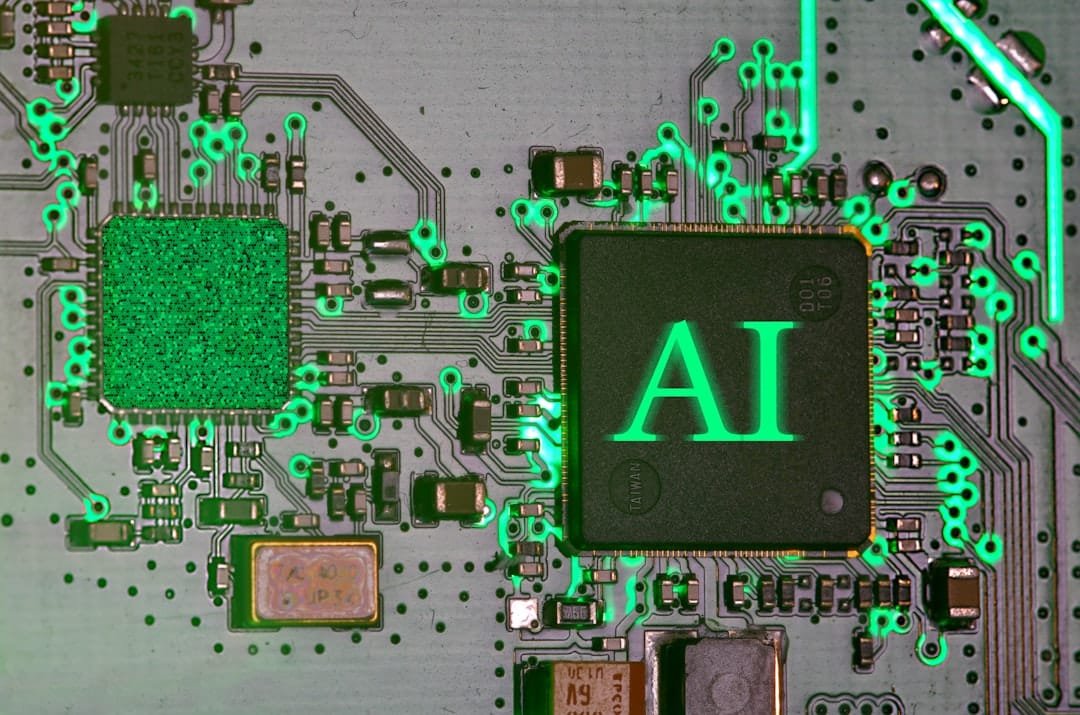

Introduction to AI Tools for Contractors
Artificial Intelligence (AI) is rapidly transforming the construction industry, driving efficiency and innovation at every stage. From project management to safety improvements, AI tools are revolutionizing how contractors operate. They automate tedious tasks, predict risks, and enhance decision-making, allowing contractors to focus on strategic growth. As AI continues to evolve, its importance in boosting efficiency and streamlining workflows cannot be overstated, making it an indispensable ally in achieving project success.
Smart Scheduling Solutions
In the realm of construction, time is money. AI tools like Motion, Asana, and ClickUp are revolutionizing project scheduling by enhancing efficiency and accuracy. These tools not only streamline the scheduling process but also ensure optimal resource allocation and visibility.
By automating the scheduling process, these AI solutions offer significant benefits:
- Time Savings: Automating scheduling tasks allows contractors to focus on strategic project elements.
- Reduced Errors: AI enhances the accuracy of project timelines, minimizing costly scheduling mistakes.
- Dynamic Adjustments: Real-time schedule updates help cater to evolving project needs.
“AI’s ability to dynamically adjust schedules in real-time is a game-changer for project management, offering unprecedented flexibility and precision,” notes industry expert John Doe.
With tools like Trello and Notion offering additional features such as AI writing assistance and visual workflow management, contractors are equipped to handle projects with greater agility and precision than ever before.
Accurate Estimation Tools
In the dynamic world of construction, ensuring precise project costing is crucial. AI-driven estimation software like PlanSwift, Bluebeam Revu, and Sage Estimating are transforming how contractors approach budgeting. These tools utilize AI to streamline the estimating process, reducing errors and saving time.
For instance, PlanSwift allows users to quickly calculate material costs and labor hours, offering a streamlined approach to project specifications. This not only enhances the accuracy of cost estimations but also minimizes potential for human error.
The impact of AI on budgeting and resource allocation is profound. Traditional methods often fall short, struggling with adaptability and leading to budget overruns. However, by analyzing historical data and current market trends, AI-driven tools offer dynamic cost estimations that continuously update based on real-time inputs. This allows stakeholders to make informed decisions swiftly, optimizing resource allocation and minimizing wastage.
With AI’s role in predictive analysis for risk management, contractors can prepare better financially, ensuring budgets include necessary buffers. The integration of AI in construction marks a transformative shift towards cost-efficiency, as noted in recent studies on budgeting and resource allocation, underscoring the necessity for contractors to embrace these tools for sustainable growth.

Enhanced CRM Systems
In the realm of construction, AI-powered CRM tools are revolutionizing client interactions, making them more efficient and personalized. Unlike traditional CRMs that merely store data, AI-driven solutions leverage predictive analytics to offer actionable insights. These systems automate routine tasks, such as data entry and scheduling, significantly reducing manual effort.
Key features of AI-driven CRM systems include:
- Automated follow-ups tailored to client engagement history.
- Real-time data analysis for personalized communication.
- Lead prioritization based on conversion likelihood.
- Enhanced team collaboration through automatic updates.
AI also plays a crucial role in automating follow-ups, ensuring timely and relevant communication with clients. By analyzing client data and behavior, AI can schedule follow-up messages to maintain engagement post-project completion.
| Aspect | Traditional CRM | AI CRM |
|---|---|---|
| Data Entry | Manual | Automated |
| Client Interaction | Static | Personalized |
| Lead Scoring | Basic | Predictive |
AI-powered CRMs are thus essential for contractors aiming to enhance client relationships and streamline their business processes efficiently.
Lead Generation and Sales Automation
In the competitive world of contracting, AI tools have become indispensable for automating lead nurturing processes. These tools streamline the identification and qualification of leads, allowing contractors to focus on high-value prospects. As traditional methods like cold calls fade, AI-driven platforms offer a modern solution by analyzing large datasets and providing actionable insights.
Benefits of AI automation in lead generation include:
- Time savings by automating lead qualification and follow-ups.
- Improved lead quality through data analysis and pattern recognition.
- Seamless integration with CRM systems for better lead management.
- Minimized human error, ensuring no lead is overlooked.
“AI has transformed our approach to sales,” says a successful contractor. “It’s like having an extra team member who never sleeps, ensuring we don’t miss any opportunities.”
Platforms like Building Radar not only increase sales efficiency but also enhance decision-making by providing early insights into new projects. This automation results in a more efficient sales pipeline, ultimately leading to higher conversion rates and sustained business growth for contractors.

Streamlined Administrative Automation
In the fast-paced world of contracting, AI software is revolutionizing administrative tasks, freeing contractors from the tedium of paperwork and manual data entry. With the right tools, tasks such as invoicing, payroll management, and document organization can be automated, allowing contractors to focus on more critical aspects of their projects.
One of the key benefits of AI in administrative automation is its ability to reduce human error. By automating data entry and file management, contractors can ensure accuracy and compliance, minimizing costly mistakes. Additionally, AI tools can streamline communication by automatically sorting and responding to emails, scheduling meetings, and sending reminders.
Time-saving is a significant advantage of adopting AI for administrative tasks. By automating routine processes, contractors can save hours each week, which can be redirected towards strategic planning and client interactions. This not only boosts productivity but also enhances operational efficiency. As noted in a recent article, AI-driven automation enhances sales efficiency by streamlining tasks like lead qualification and follow-ups, which can also apply to administrative functions.
Incorporating AI-powered administrative solutions is a smart move for any contractor looking to enhance efficiency and reduce overhead costs. As AI technology continues to evolve, the opportunities for further automation and improvement are boundless, paving the way for a more streamlined and effective business operation.
Project Management and Workflow Optimization
In the construction industry, AI tools are reshaping project management by introducing more streamlined and efficient processes. These tools enhance overall productivity by effectively managing tasks, schedules, and resources. Popular AI project management tools such as Asana, Monday.com, and Trello have become indispensable for contractors aiming to improve team collaboration and task tracking.
AI-powered platforms allow teams to set and track project milestones automatically, ensuring that all members stay aligned and updated. By leveraging AI, project managers can analyze historical data to optimize resource allocation and anticipate potential bottlenecks. This data-driven approach significantly reduces project delays and increases efficiency.
Statistics show that teams utilizing AI-driven project management tools experience a 30% increase in productivity. This efficiency is achieved through enhanced team collaboration features, which include real-time communication and automated task assignments. AI tools also facilitate seamless integration with other software, creating a cohesive workflow that minimizes manual input and errors.
By incorporating AI into project management, contractors can ensure smoother operations, better team dynamics, and more successful project outcomes. Embracing these modern tools is essential for contractors looking to remain competitive and efficient in a rapidly evolving industry.
Marketing Automation Tools
In the realm of contractor marketing, AI tools are transforming how campaigns are executed, providing a competitive edge. By automating marketing campaigns, contractors can reach a wider audience and enhance brand visibility without the need for extensive manual input.
Key features of AI marketing tools include:
- Automated email marketing campaigns
- Social media management and scheduling
- Targeted advertising based on data-driven insights
- Real-time performance analytics
AI-driven marketing tools, like those offered by platforms such as HubSpot and Mailchimp, enable contractors to tailor their messaging to specific client needs, creating more personalized and impactful communications.
Below is a comparison of traditional vs AI marketing strategies:
| Traditional Marketing | AI Marketing |
|---|---|
| Manual email blasts | Automated, personalized emails |
| Generic social posts | Data-driven, scheduled posts |
| Broad advertising | Targeted ad placements |
By adopting AI in marketing, contractors can improve client outreach and brand recognition, paving the way for business growth. These tools not only save time but also ensure marketing efforts are strategic and effective, making AI an invaluable resource in the modern contractor’s toolkit. For more insights on how AI enhances sales efficiency in construction, check out this article.
AI in Contractor Education and Training
In the rapidly evolving construction industry, continuous learning and skill enhancement are crucial. AI in education plays a pivotal role in equipping contractors with the necessary tools to stay competitive. By leveraging AI, contractors can benefit from personalized learning experiences tailored to their specific needs. This approach allows for learning at an individual pace and focuses on areas requiring improvement, thus facilitating continuous adaptation.
Several platforms cater to contractor training and skill development. Here are some noteworthy options:
- AgentiveAIQ: Offers personalized tutoring and a drag-and-drop course builder, ideal for solo contractors and small teams.
- Thinkific: Provides a scalable platform for hosting and selling courses with third-party AI service integrations.
- LearnWorlds: Focuses on interactive learning experiences with robust analytics dashboards.
- Udemy for Business: Offers a comprehensive library of existing courses for easy access to learning materials.
These platforms not only expand access to educational resources but also provide real-time feedback and data-driven insights. By embracing AI, contractors can effectively engage in lifelong learning, ensuring they remain adept at tackling new challenges and enhancing their professional skills.

Conclusion: Embracing AI for Success
AI tools have proven to be transformative for contractors, enhancing efficiency across scheduling, estimation, CRM, and more. By automating repetitive tasks, these tools free up valuable time, allowing contractors to focus on strategic growth and client relations. The integration of AI in education further supports continuous learning and skill enhancement, keeping contractors at the forefront of industry advancements. Now is the time to explore these AI solutions to drive your business forward. Embrace the future of contracting by integrating AI into your operations today.
FAQs on AI Tools for Contractors
Q: What are the main benefits of adopting AI tools in contracting?
A: AI tools significantly enhance efficiency by automating scheduling, estimating costs accurately, improving client interactions, and facilitating continuous learning and skill development. They help contractors save time and reduce human errors.
Q: How much do AI tools for contractors typically cost?
A: Costs can vary widely depending on the tool’s complexity and features. For instance, platforms like AgentiveAIQ start at $39/month, while more comprehensive solutions like Udemy for Business may start at $399/month. It’s important to choose a solution that fits your business size and needs.
Q: Is implementing AI tools in a contracting business difficult?
A: Implementing AI tools can be straightforward, especially with no-code platforms like Podia and Thinkific, which offer user-friendly interfaces and third-party integrations for AI services. Most platforms provide resources and support to ease the transition.
Q: How can AI tools support ongoing education for contractors?
A: AI platforms offer personalized learning experiences and resources, enabling contractors to learn at their own pace and focus on areas for improvement. They also provide real-time feedback and support remote learning, which is essential for busy professionals.