

Introduction to Organic SEO for Contractors
Organic SEO traffic refers to the visitors that arrive at a website through unpaid search engine results. For contractors, harnessing the power of organic SEO is crucial. It not only helps establish credibility but also attracts high-intent leads who are actively searching for services.
The long-term benefits of organic SEO over paid ads are significant. While paid advertising offers immediate visibility, organic traffic builds sustainable growth and trust over time. By investing in SEO strategies, contractors can secure consistent leads without the recurring costs of paid campaigns.
Google’s Ranking Factors for Contractor Websites
Understanding Google’s ranking factors is essential for contractors aiming to enhance their online visibility. Google considers numerous criteria when determining the ranking of contractor websites. The primary factors include:
- Relevance: The content must closely match the search intent of users.
- Authority: Websites with high-quality backlinks from reputable sources rank higher.
- User Experience: A seamless experience keeps visitors engaged and lowers bounce rates.
- Mobile-Friendliness: With a significant portion of searches conducted on mobile devices, responsive design is crucial.
As noted by renowned SEO expert Neil Patel, “Google’s primary goal is to provide users with the most relevant and high-quality results. If your website excels in these areas, you’ll naturally rank better.” This highlights the importance of not only creating relevant content but also ensuring that your site is authoritative and user-friendly.
Focusing on these factors can significantly improve your website’s performance in search engine results, leading to more organic traffic and potential leads for your contracting business.
Keyword Research Strategies
Effective keyword research is foundational for contractors seeking to enhance their organic traffic. One of the first steps is identifying high-intent keywords. These are phrases that potential clients use when they’re ready to make a decision. For example, terms like “emergency plumbing services near me” indicate immediate intent.
Utilizing tools like Google Keyword Planner can significantly streamline this process. This tool helps in discovering keyword ideas, assessing search volume, and understanding competition levels. It’s essential for contractors to leverage this data to choose the right keywords that align with their services.
Moreover, incorporating long-tail keywords can be particularly beneficial for niche markets. These keywords are usually more specific and less competitive, allowing contractors to attract targeted traffic. For instance, “eco-friendly roofing solutions” may draw in customers specifically interested in sustainable options.
| Keyword Tool | Features | Best For |
|---|---|---|
| Google Keyword Planner | Search volume, competition analysis | General keyword research |
| SEMrush | Keyword tracking, competitor analysis | In-depth analysis |
| Ahrefs | Backlink data, keyword difficulty | Advanced SEO strategies |
On-Page SEO Techniques
Optimizing Title Tags and Meta Descriptions
Title tags and meta descriptions are crucial elements for on-page SEO. A well-crafted title tag should include primary keywords and be compelling enough to encourage clicks. The meta description, while not a ranking factor, serves as a summary that can increase your click-through rate. For example, a contractor who optimized their title and meta description witnessed a 30% increase in organic traffic.
“After optimizing our title tags and meta descriptions, our website traffic surged significantly, proving the impact of these small changes.” – Local Contractor Case Study

Importance of Header Tags and Alt Text
Header tags (H1, H2, H3) organize your content and signal to Google the structure of your page. They help not only in readability but also in SEO. Additionally, using alt text for images improves accessibility and provides context to search engines, enhancing your chance to rank in image searches.
Internal Linking Strategies
Internal linking is another powerful technique. It helps distribute page authority across your site and keeps visitors engaged longer. By linking relevant content, contractors can guide users through their services, ultimately improving the chances of conversions.
Content Creation for High-Intent Traffic
Creating valuable and relevant content is essential for attracting high-intent traffic. Contractors should focus on addressing the specific needs of their target audience. This means providing solutions, insights, and answering common questions that potential clients may have.
When it comes to content types that resonate well with contractors, consider the following:
- How-To Guides: Detailed instructions on completing specific tasks can position you as an expert.
- Case Studies: Showcase successful projects to build credibility and trust.
- FAQs: Addressing frequently asked questions can help clarify services and alleviate client concerns.
- Blog Posts: Regularly updated blogs can keep your audience informed and improve SEO.
“Quality content is the backbone of SEO; it builds trust and drives conversions.”
However, it’s crucial to balance SEO with readability. Overstuffing keywords can lead to poor user experience. Aim for clarity and engagement, ensuring your content flows naturally while still optimizing for search engines.
Technical SEO Essentials
The technical aspects of SEO are crucial for ensuring that your contractor website performs well. One of the most significant factors is site speed. A fast-loading website not only enhances user experience but also affects your search engine ranking. Research shows that 47% of users expect a web page to load in two seconds or less. Additionally, site security with HTTPS is vital, as it builds trust and protects user data.
Next, mobile optimization cannot be overlooked. With over 50% of web traffic coming from mobile devices, having a mobile-friendly website is essential. Google prioritizes mobile-first indexing, meaning it assesses the mobile version of your site for ranking purposes. Ensuring your site is responsive and easy to navigate on smartphones is critical for attracting potential clients.
Lastly, implementing XML sitemaps and robots.txt files helps Google understand your site structure. An XML sitemap provides a roadmap of your pages, while robots.txt instructs search engines on which parts of your site to crawl. Both tools enhance your visibility in search results, making them integral to your SEO strategy.
Automating SEO with WordPress Tools
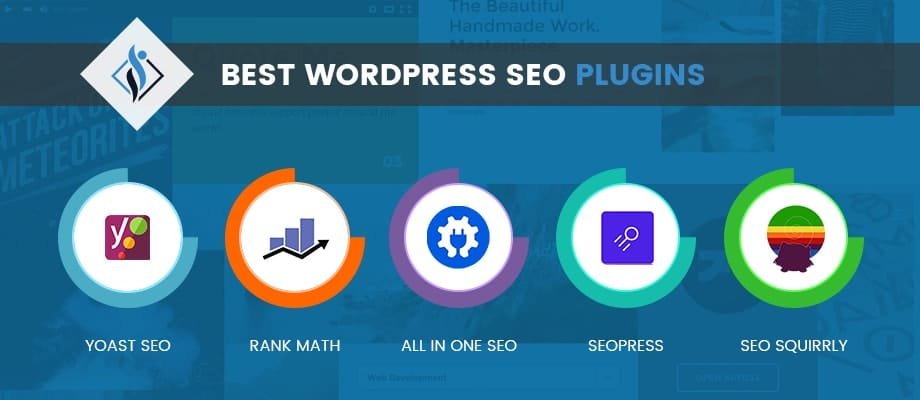
For contractors looking to streamline their SEO efforts, utilizing WordPress plugins can significantly enhance productivity. These plugins automate various SEO tasks, allowing contractors to focus more on their core business. Popular options include:
- Yoast SEO
- All in One SEO Pack
- Rank Math
Each of these plugins offers unique features that cater to different needs. The table below highlights their key functionalities:
| Plugin | Key Features | Best For |
|---|---|---|
| Yoast SEO | Content analysis, XML sitemaps, readability check | Content-focused SEO |
| All in One SEO Pack | Easy setup, social media integration, advanced options | Beginners and advanced users |
| Rank Math | Modular framework, keyword tracking, Google Schema markup | Data-driven strategies |
Implementing these plugins can lead to measurable results. For example, a contractor using Rank Math reported a 50% increase in organic traffic within three months. By automating tedious tasks like meta tag optimization and sitemap generation, contractors can devote more time to client engagement and project execution.
Tracking SEO Traffic with Analytics
To effectively track SEO traffic, Google Analytics is an invaluable tool for contractors. This platform allows you to monitor various metrics, such as user behavior, traffic sources, and conversion rates. By setting up goals and tracking events, you can gain insights into how visitors interact with your website. Understanding these patterns helps in making informed decisions about your marketing strategies.
“Data-driven decisions are the key to optimizing your online presence.”
Another powerful tool is MonsterInsights, which simplifies the process of integrating Google Analytics with your WordPress site. It offers user-friendly reports directly within your dashboard, making it easier to access essential data. With features like enhanced eCommerce tracking and real-time statistics, contractors can quickly gauge the effectiveness of their SEO efforts.
Finally, interpreting SEO data is crucial. Look for trends in organic traffic, bounce rates, and average session duration. These metrics help you understand what content resonates with your audience, allowing you to refine your approach and enhance overall performance.
Converting Traffic into Leads
Turning website traffic into leads hinges on creating effective sales funnels. A sales funnel guides potential customers through their journey, from awareness to decision-making. Start by capturing visitor information through engaging landing pages. Utilize clear calls to action (CTAs) that lead users to sign up for newsletters or request quotes, ensuring each step is seamless and user-friendly.
“Optimizing your sales funnel can boost lead conversion rates by up to 300%.”
Next, implement robust lead generation strategies. Utilize content marketing to offer valuable resources, such as eBooks or webinars, in exchange for contact details. This not only builds your email list but also establishes your authority in the industry.
The importance of follow-up cannot be understated. After capturing leads, prompt and personalized follow-up communications can significantly increase conversion rates. Use email campaigns to nurture these leads, providing relevant information and reminders that keep your services top of mind.
Partnering with HandyClicks for SEO Success
When contractors seek to enhance their online presence, HandyClicks offers a comprehensive suite of services designed specifically for the construction industry. From in-depth SEO audits to tailored content creation, HandyClicks focuses on driving organic traffic and improving search rankings. Their strategies include keyword optimization, local SEO enhancements, and technical fixes that ensure websites are not only visible but also user-friendly.
“Thanks to HandyClicks, our lead generation increased by 150% within just three months!”
This success story highlights the effectiveness of partnering with professionals. HandyClicks has numerous case studies demonstrating how their targeted efforts have transformed contractor websites into lead-generating machines. Clients have reported significant improvements in visibility and engagement, translating to more inquiries and sales.
Choosing professional SEO assistance like HandyClicks means gaining access to expert knowledge and resources that are often difficult to manage in-house. Their experience allows for quicker adaptation to changing algorithms and the implementation of best practices that can lead to sustained growth.
Conclusion
Throughout this article, we explored the key strategies that can significantly enhance the organic SEO of contractor websites. By focusing on factors such as keyword research, on-page optimization, and technical SEO, contractors can improve their visibility and attract high-intent leads. It is crucial to implement these SEO techniques consistently, as they pave the way for long-term growth and sustainability in a competitive market.
Remember, investing in organic traffic not only reduces dependence on paid ads but also builds a strong online presence. Embrace these strategies to ensure your business thrives and adapts to the ever-evolving digital landscape.